What stores are pet friendly | Pet stores
Major national chains that generally welcome leashed, well-behaved pets include dedicated pet retailers (Petco, PetSmart), home improvement stores (Home Depot, Lowe’s, Tractor Supply Co.), craft stores (Michaels, JOANN Fabrics), outdoor retailers (Bass Pro Shops, Cabela’s), and clothing chains (Nordstrom, TJ Maxx, Marshalls, Old Navy).
The Ultimate Guide to Pet Stores: Services, Shopping Tips, and Finding the Best Local Care
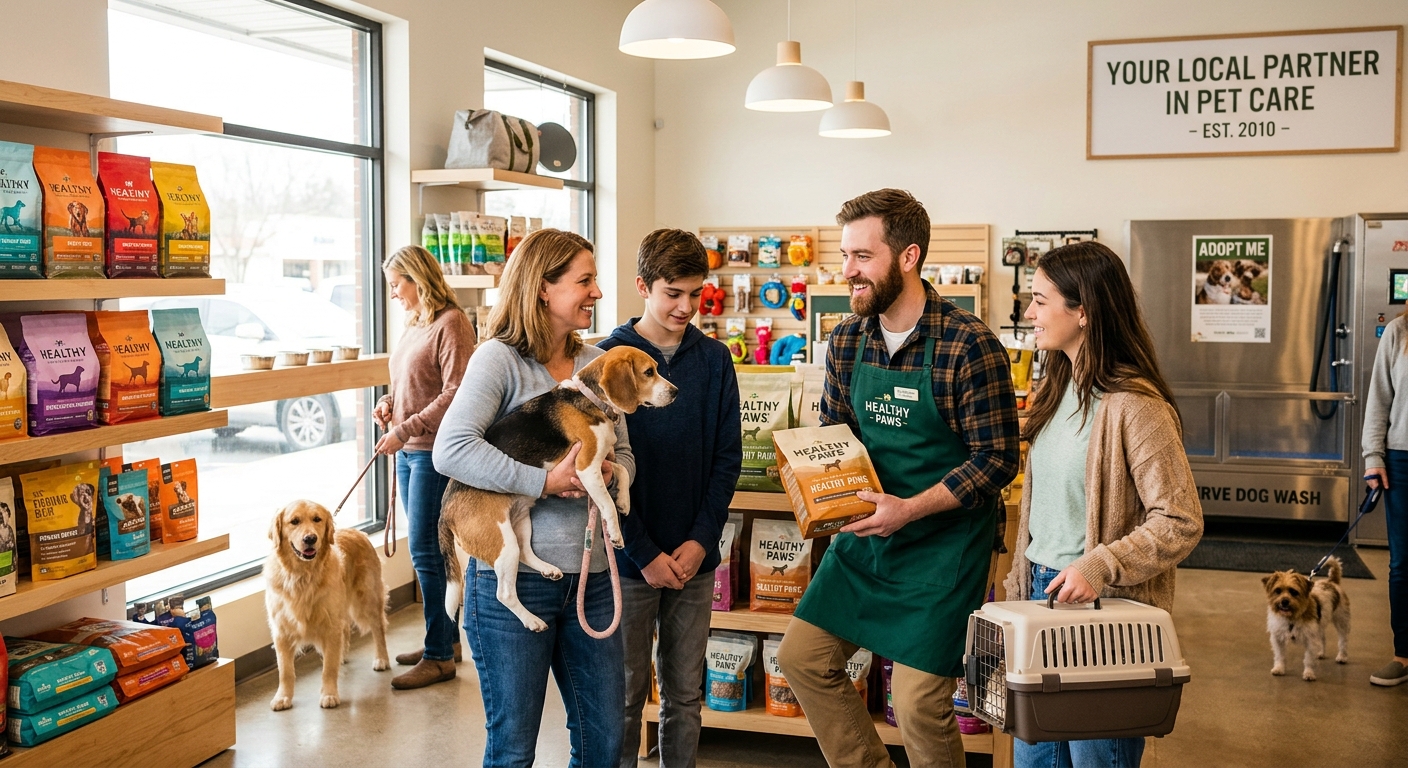
For millions of pet owners across the United States, local pet stores serve as much more than just places to buy food and toys—they are vibrant community hubs for pet care, health advice, adoption, and essential services. Whether you share your life with a energetic dog, a quiet indoor cat, a colorful freshwater fish, or an exotic reptile, choosing the right pet store plays a major role in your companion’s overall health and well-being.
Today’s pet retail industry has evolved significantly. Modern stores combine aisles of premium supplies with professional services like grooming, veterinary care, dog training, and self-serve washing stations.
This comprehensive guide explores the different types of pet stores, key services to look for, smart shopping strategies, and how to find the best local options for your animal family.
The Changing Landscape of Pet Stores in the US
The pet industry in the United States has experienced remarkable growth over the past decade. As pet owners increasingly view animals as full family members—a trend known as “humanization”—their expectations for pet retail have transformed.
Historically, neighborhood pet shops focused primarily on basic dry kibble, simple leather leashes, and basic cage supplies. Today, pet parents seek out high-grade nutrition, eco-friendly toys, specialized health supplements, and hands-on care services under one roof.
TYPES OF PET STORES
 ├── National Big-Box Chains: Massive selection, low pricing, full service centers
 ├── Independent Neighborhood Boutiques: Specialized, organic food, unique artisan goods
 ├── Specialty Exotic Retailers: Focus on aquatics, reptiles, birds, & small animals
 └── Online Pet Outlets with Local Pickup: Blending digital convenience with local access
Types of Pet Stores: Finding Your Perfect Fit
Depending on your shopping habits and your animal’s specific needs, different types of retail outlets offer distinct advantages.
1. Big-Box National Retailers
Major national chains (such as Petco and PetSmart) dominate the physical retail space.
- Pros: Unbeatable selection, standardized pricing, national rewards programs, and comprehensive in-store services including full-service veterinary hospitals, grooming salons, and certified dog training classes.
- Best For: Busy pet owners who want one-stop convenience for vet checkups, grooming, and bulk food purchases.
2. Independent Local Boutiques
Family-owned pet shops and local boutiques focus heavily on curated, high-end products and personalized customer service.
- Pros: Knowledgeable staff members who provide individualized nutritional advice, unique artisan toys, locally sourced treats, and raw or fresh frozen food selections rarely found in big-box chains.
- Best For: Owners seeking specialized diets (gourmet raw, freeze-dried, human-grade) or pets with severe food allergies and sensitive skin conditions.
3. Specialty Aquatics & Exotic Pet Outlets
For reptile enthusiasts, bird owners, and fish keepers, general pet stores often lack specialized habitat gear or live food supplies.
- Pros: Expert staff specializing in water chemistry, terrarium heating, lighting cycles, live feeder insects, and specialized aquatic plants.
- Best For: Aquarists, reptile keepers, and avian owners needing precise technical advice and healthy live animals.
Core Services Offered at Modern Pet Stores
A major advantage of visiting physical pet stores is access to interactive services that make caring for your pet simpler and more enjoyable.
| Service | Primary Benefits | What to Expect |
| Full-Service Grooming | Coat maintenance, skin health, hygiene | Baths, breed cuts, nail buffing, ear cleaning, de-shedding. |
| In-Store Vet Clinics | Preventive care, vaccines, physical exams | Routine wellness checkups, microchipping, heartworm testing. |
| Positive Dog Training | Socialization, obedience, problem-solving | Group puppy classes, adult obedience, private behavior lessons. |
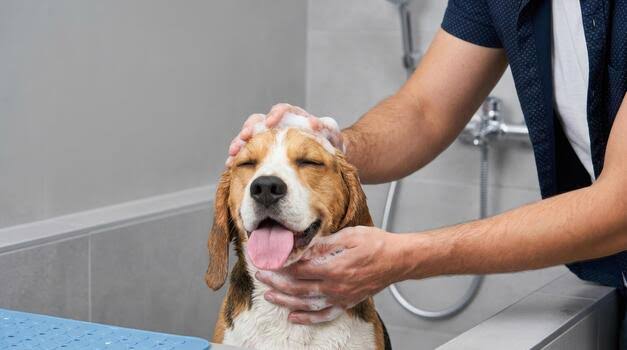
| Self-Serve Dog Wash | Low-cost, mess-free bathing | Raised stainless steel tubs, warm water sprays, towels, and blowers. |
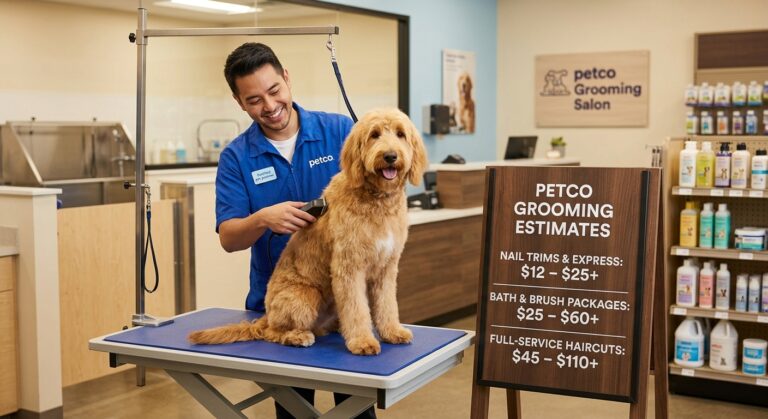
Professional Grooming Salons
Professional stylists help keep coats tangle-free, manage heavy shedding, and care for skin conditions. Many stores feature glass-enclosed salons allowing owners to observe grooming safety procedures firsthand.
Preventive Veterinary Clinics
Many locations host low-cost vaccination clinics or full-service veterinary hospitals. These facilities allow you to schedule annual vaccinations, bloodwork screenings, microchipping, and prescription refills during regular shopping trips.
Reward-Based Dog Training
In-store training classes focus on positive reinforcement techniques. Group environments provide controlled socialization, helping dogs learn basic obedience cues (sit, stay, come, heel) around everyday real-world distractions.
How to Choose the Best Pet Store Near You
With numerous options available, evaluating local retail outlets using key criteria ensures a safe, high-quality shopping experience for you and your pets.
1. Cleanliness and Hygiene Standards
When entering a store, take note of overall sanitation. Floors should be clean, aisles kept free of hazards, and air should smell fresh without heavy chemical or animal odors. If the store sells live animals (fish, birds, small rodents), observe their enclosures:
- Are water tanks clear and well-maintained?
- Do small animal cages have clean bedding and fresh food?
- Do animals appear active, alert, and healthy?
2. Staff Knowledge and Friendliness
A great store employs associates who understand animal care, nutritional labels, and product safety. Helpful staff should take time to ask about your pet’s age, breed, weight, and activity level before making food or gear recommendations.
3. Food Selection and Ingredient Quality
Check the store’s food shelves to ensure they stock brands meeting AAFCO (Association of American Feed Control Officials) nutritional standards. Look for options featuring real meat as the primary ingredient, minimal artificial preservatives, and clear expiration dates.
4. Adoption Partnerships and Ethical Sourcing
Leading pet stores partner with local animal rescues, shelters, and humane societies to host adoption events instead of selling commercially bred dogs and cats. Supporting stores that host adoption drives helps reduce animal overpopulation in community shelters.
Smart Shopping Tips for Pet Stores
Maximizing value at local pet outlets involves taking advantage of modern retail tools and rewards programs:
SMART PET SHOPPING STRATEGY
 ├── Join Loyalty Programs: Earn points on food, supplies, & grooming visits
 ├── Utilize Same-Day Pickup: Order online for 10–15% in-store pickup discounts
 └── Price Match Guarantee: Show competitor prices at checkout for instant savings
- Sign Up for Free Store Loyalty Programs: Most national and local stores offer free rewards programs that earn points on every dollar spent. Accumulated points convert into cash discounts on future food and service purchases.
- Use In-Store Pickup Discounts: Ordering online for store pickup frequently unlocks 10% to 15% discounts compared to standard off-the-shelf pricing.
- Ask About Price Matching: Major pet retailers often match lower prices found on competing retail websites. Show the associate the lower online price at checkout to save instantly.
- Buy Frequent Buyer Bags: Many specialty pet food brands participate in “Frequent Buyer Programs” managed by independent stores—buy 10 or 12 bags of kibble, and receive the next bag free!
Frequently Asked Questions
Can I bring my dog inside the pet store with me?
Yes! Most major chains and independent stores welcome well-behaved, leashed dogs, cats in carriers, and other pets. Ensure your pet is up to date on vaccinations, kept on a non-retractable leash, and under control at all times.
What should I do if my pet makes a mess inside the store?
Accidents happen! Pet stores keep sanitation stations stocked with paper towels, disinfectant spray, and waste bags throughout the aisles. Clean up minor messes promptly or notify a staff member for assistance.
Are animals sold at pet stores safe and healthy to adopt?
If adopting through a store-hosted shelter event, animals are spayed/neutered, vaccinated, and health-checked before adoption. If purchasing fish, reptiles, or small mammals directly, inspect them carefully for bright eyes, active movement, and clean coats or scales before bringing them home.
Your Community Hub for Happy, Healthy Pets
Local pet stores remain invaluable partners in raising thriving, joyful animals. By offering high-quality food, expert advice, grooming services, veterinary care, and adoption opportunities, these retail hubs help keep our pets healthy and happy throughout every stage of life.
Visit your local pet store today, explore their offerings, and give your animal companions the quality care and treats they deserve!