
who owns mission pet health | Mastering Pet Health
Mission Pet Health is owned and backed by the private equity firm Shore Capital Partners, having been formed through the merger of Southern Veterinary Partners and Mission Veterinary Partners.
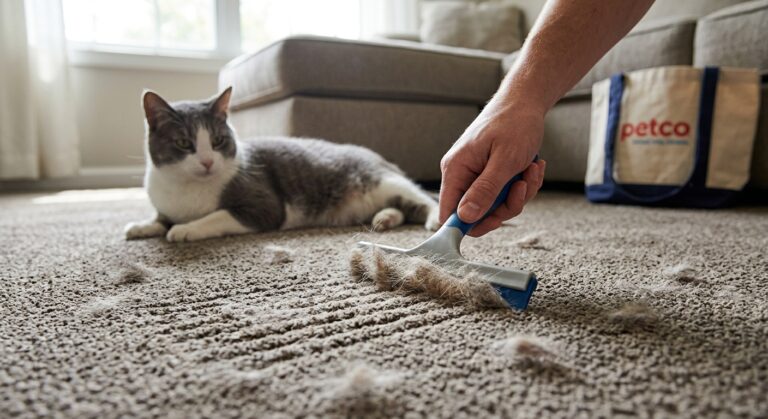
If you share your home with a furry companion, you already know the unwritten rule of pet ownership: love is unconditional, but shedding is unavoidable. Fur settles everywhere—woven deep into living room carpets, clinging to couch cushions, drifting across hardwood floors, and magnetically adhering to car seats.
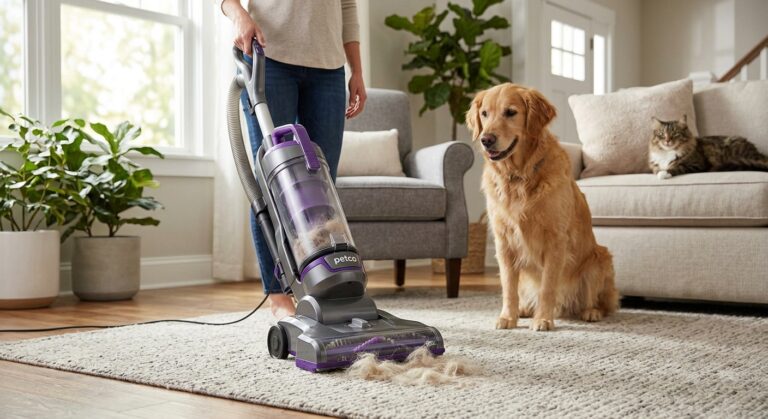
A standard household vacuum usually buckles under the pressure. Between tangled brush rolls, clogged air pathways, choked filters, and persistent dander odors, generic vacuums quickly lose suction.
To conquer shedding season once and for all, you need a machine engineered specifically for pet debris. This guide breaks down the essential features to look for, top vacuum picks across every category, and proven strategies to keep your home fur-free.
What Makes a True “Pet Hair” Vacuum?
Not all vacuums are built to handle pet messes. Pet hair possesses physical characteristics that make it uniquely challenging to clean: it holds static electricity, weaves tightly into fabric fibers, wraps around rotating axles, and carries dander and outdoor allergens.
When evaluating a vacuum for pet hair, prioritize these four core features:
1. High Suction & Sealed Airflow Systems
Suction power determines how effectively a vacuum pulls embedded fur out of deep carpet pile and furniture seams. However, raw suction means little without a completely sealed system. Sealed engineering ensures air passes entirely through the filtration system before exhausting, preventing microscopic dander and fine dust from leaking through body seams back into your room.
2. Anti-Tangle Brush Roll Technology
Traditional vacuum brush rolls feature soft bristles that wrap long pet hair tightly around the roller axle. Removing tangled hair with scissors is frustrating and risks damaging the machine. Modern pet vacuums feature self-cleaning or anti-tangle brush rolls equipped with specialized comb vanes, rubberized fins, or counter-rotating blades that clear hair as you clean.
3. HEPA & Active Carbon Filtration
Pet hair carries microscopic dander, dried saliva, and environmental allergens. A True HEPA filter traps 99.97% of particles down to 0.3 microns. For pet owners, pairing HEPA filtration with an activated carbon layer helps absorb and neutralize stubborn pet odors trapped inside the vacuum.
4. Specialized Motorized Attachments
Floors are only half the battle. Pet hair settles on couches, dog beds, carpeted stairs, and car interiors. Essential attachments include:
- Mini Motorized Pet Tools: Compact, powered heads that extract hair from upholstery and stairs without stalling.
- Crevice Tools: Extended nozzles designed to reach tight spaces between couch cushions and baseboards.
- Rubberized Lint Brushes: Rubber teeth that naturally attract static-cling fur from delicate fabrics.
Quick Comparison: Top Vacuums for Pet Hair
| Model | Type | Best For | Standout Feature |
| Dyson V15 Detect | Cordless Stick | Overall Versatility | Fluffy Optic head reveals hidden fur; anti-tangle screw tool |
| Shark POWERDETECT Upright | Bagless Upright | Deep Carpet Cleaning | Anti-hair wrap brush roll + Lift-Away pod |
| Miele Guard L1 Cat & Dog | Bagged Canister | Heavy Carpet & Allergies | Sealed HEPA system with active charcoal odor filter |
| Bissell Pet Hair Eraser Turbo | Cordless / Upright | Mid-Range Value | Tangle-free brush roll with Febreze odor filter |
| Shark Cordless PowerDetect | Self-Empty Stick | Hands-Free Maintenance | Auto-emptying base station traps dust and dander |
Detailed Category Breakdown: Top Picks
1. Best Cordless Stick: Dyson V15 Detect
For pet owners who prioritize lightweight convenience without sacrificing deep-cleaning suction, the Dyson V15 Detect offers top-tier performance.
- Performance: Its digital motor automatically adjusts suction based on floor type and debris volume. The Fluffy Optic cleaner head uses specialized light to reveal fine, invisible pet hair on hard floors.
- Pet Attachments: Includes the Hair Screw Tool—an anti-tangle conical brush bar that spirals hair off dog beds and upholstery directly into the bin.
- Filtration: Whole-machine HEPA filtration traps micro-particles and dander.
2. Best Upright Powerhouse: Shark POWERDETECT Upright
Upright vacuums remain a go-to for homes with wall-to-wall carpets and heavy-shedding breeds.
- Performance: High corded suction drives deep into carpet fibers to pull out matted fur. Internal combs actively clear hair from the brush roll as you clean to prevent wrapping.
- Versatility:Featuring Shark’s Lift-Away mechanism, the canister detaches from the main wand so you can carry the motorized head up carpeted stairs or reach under low furniture.
3. Best Canister for Severe Allergies: Miele Guard L1 Cat & Dog
If anyone in your home suffers from pet allergies or asthma, a sealed bagged canister vacuum offers maximum allergen containment.
- Performance: A high-output motor drives an electro-brush attachment through plush carpets to pull out deeply embedded fur.
- Odor Control: Uses self-sealing filter bags combined with an active charcoal filter, trapping 99.9% of dust while absorbing lingering pet odors before exhaust air exits.
- Choose Bagged If: Allergy control is your top priority. Self-sealing bags ensure that trapped hair, dander, and dust go straight to the trash without releasing airborne particles.
- Choose Bagless If: You prefer lower ongoing costs and the convenience of emptying the canister directly into the trash with a single button press.
Essential Maintenance Tips for Pet Vacuums
Pet hair places extra strain on vacuum motors and drive systems. Follow these steps to maintain optimal suction power:
Check Hoses for Hair Clumps: Dense fur can combine with larger debris to cause clogs in curved hose elbows. Clear blockages using a broom handle if suction drops unexpectedly.
Empty the Dust Cup Early: Empty bagless dust cups when they reach two-thirds full to prevent airflow restrictions and motor strain.
Wash Filters Monthly: Rinse non-HEPA foam filters under lukewarm water once a month, letting them air-dry completely for 24 hours before reinstalling. Replace HEPA and carbon filters every 6 to 12 months.
Inspect Bearings and End Caps: Check the sides of your brush roll weekly to clear stray hair wrapped around the drive axles.