How to become a pet sitter | Pet sitter
If you love animals and want a flexible way to earn money, becoming a pet sitter can be a rewarding career. Pet sitters care for pets while their owners are working, traveling, or otherwise unavailable. Depending on your services, you may feed pets, provide exercise, clean litter boxes, give approved medications, walk dogs, or stay overnight.
The good news is that you do not need years of experience to get started. However, professional pet sitting requires more than simply loving animals. You need practical pet-care skills, good communication, reliable scheduling, and a plan for finding and keeping clients.
This guide explains how to become a pet sitter, what skills you need, whether certification is required, how to set your rates, and how to build a trustworthy pet-care business.
What Does a Pet Sitter Do?
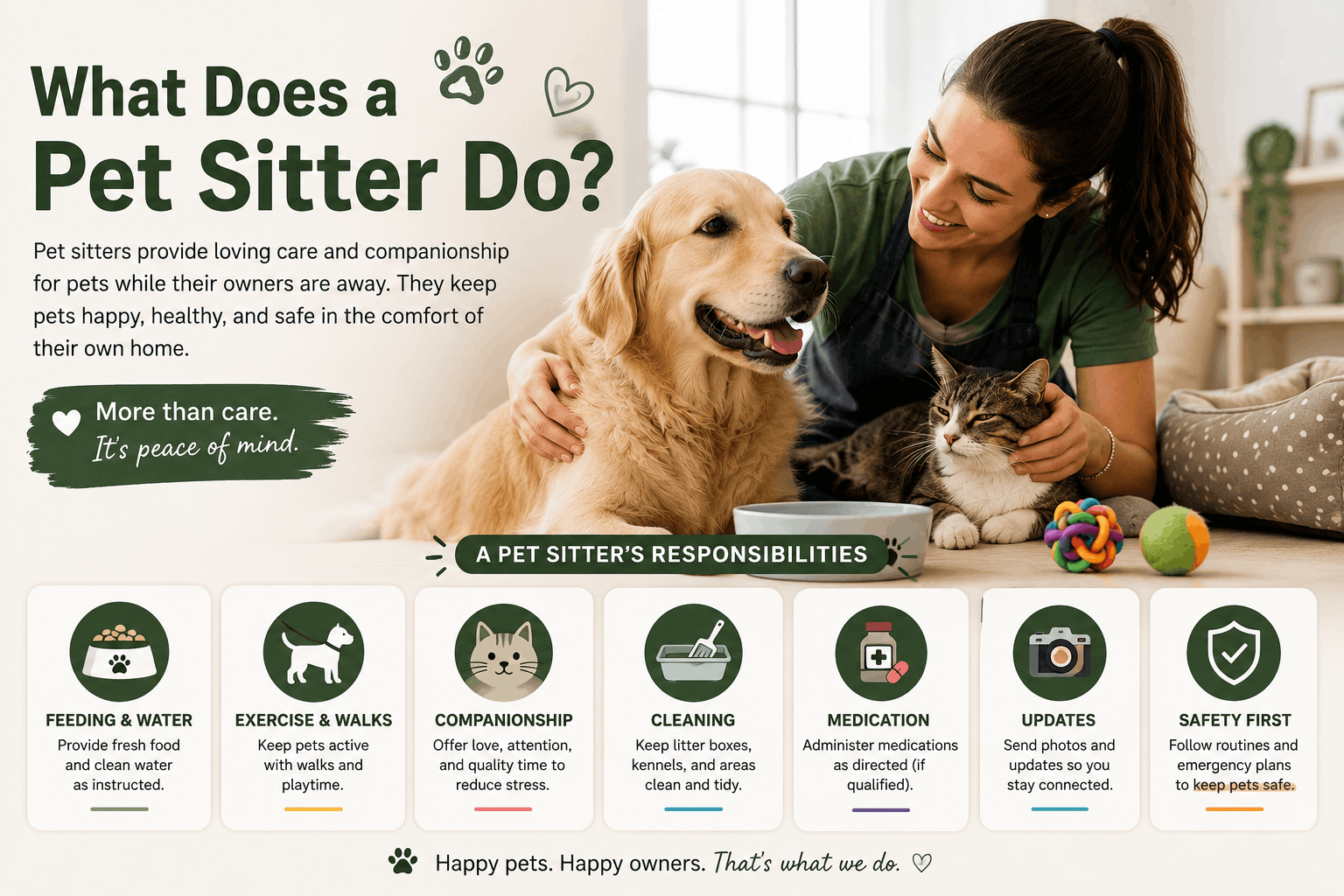
A pet sitter provides care for animals when their owners cannot be there. Most pet sitters work in the client’s home, although some businesses also offer boarding or other services.
Common pet-sitting services include:
- Feeding pets according to the owner’s instructions
- Providing fresh water
- Walking dogs and providing exercise
- Playing with pets and providing enrichment
- Cleaning litter boxes and pet areas
- Giving medications when the sitter is qualified and comfortable doing so
- Caring for cats, dogs, birds, rabbits, reptiles, and other household pets
- Sending owners updates and photos
- Providing overnight house sitting
- Following emergency instructions when a pet becomes sick or injured
The exact services you offer should match your experience and comfort level. For example, a new sitter may begin with feeding, walks, playtime, and basic care before accepting pets that require complex medical care.
Is Pet Sitting a Good Career?

Pet sitting can be a good option if you enjoy working with animals and want a flexible schedule. You can start part-time and increase your workload as you build a client base.
There are also several ways to operate your pet-sitting business. You can:
- Work independently and find your own clients
- Join a pet-care marketplace such as Rover
- Work for an established pet-care company
- Build a local pet-sitting business
- Combine pet sitting with dog walking or other pet-care services
For example, Rover’s current sitter process includes choosing services, setting rates and availability, creating a profile, requesting testimonials, completing a safety quiz, and completing identity verification. Requirements can vary by location and platform.
How to Become a Pet Sitter in 7 Steps
Gain Practical Pet-Care Experience
Before accepting paying clients, build practical experience with animals.
You might start by caring for your own pets, helping friends or family, volunteering at an animal shelter, or assisting an experienced pet-care provider.
Focus on learning how to:
- Read basic pet body language
- Handle animals calmly
- Follow feeding instructions
- Recognize unusual behavior
- Walk dogs safely
- Clean pet areas
- Follow medication instructions when appropriate
- Respond calmly when a pet becomes stressed
Experience also helps you determine which animals you are comfortable caring for.
If you have limited experience, start with pets that have straightforward care routines. As your knowledge grows, you can gradually expand your services.
Learn Pet First Aid and CPR
Pet first aid and CPR training can make you a more prepared and credible pet sitter.
The American Red Cross offers cat and dog first aid training covering subjects such as vital signs, breathing and cardiac emergencies, wounds, bleeding, seizures, and preventative care.
Training is especially useful because pet sitters may be the first person present when an animal becomes ill or injured.
However, first-aid training does not replace veterinary care. Your emergency plan should always include contacting the owner’s veterinarian or an appropriate emergency veterinary hospital.
You can also keep a pet first-aid reference or app available while working.
Consider Pet Sitter Certification
Certification is not automatically required to become a pet sitter. Requirements can depend on your location, business structure, and the services you provide.
Still, certification can help demonstrate your commitment to professional pet care.
Pet Sitters International offers the CPPS-Certified Professional Pet Sitter designation. PSI says its certification is based on a knowledge-assessed exam specifically designed for professional pet sitters.
Certification is best viewed as a way to strengthen your knowledge and credibility rather than as a substitute for real-world experience.
If you are new to the industry, look for reputable education covering animal behavior, safety, client communication, business practices, and emergency preparedness.
Decide What Pet-Sitting Services You Will Offer
Do not try to offer every service immediately.
Start with services you can perform safely and consistently.
Popular options include:
- Dog walking
- Drop-in pet visits
- Cat sitting
- Overnight pet sitting
- Vacation pet sitting
- Feeding and water visits
- Litter box cleaning
- Basic pet care
- Pet transportation, where legally and safely permitted
You can create different service packages based on visit length and the type of care required.
For example, a basic drop-in visit might include feeding, fresh water, a bathroom break, cleaning, and playtime. An overnight service may include staying in the client’s home and following the pet’s normal evening and morning routine.
Check Local Business, Licensing, and Insurance Requirements
Before accepting clients, research the rules that apply where you live.
Depending on your location and business structure, you may need to consider:
- Business registration
- Local licenses or permits
- Tax requirements
- Business insurance
- Bonding
- Contracts and service agreements
- Transportation requirements
- Rules related to operating a business from home
Insurance is also an important consideration. Pet-sitting businesses can face risks involving animals, client property, keys, accidents, or other unexpected events.
Pet Sitters International recommends that professional pet-care businesses consider specialized insurance and bonding rather than assuming ordinary business coverage is sufficient.
Because requirements differ by location, check with the relevant local authorities and a qualified insurance professional before choosing coverage.
Set Your Pet-Sitting Rates
Your rates should reflect your location, experience, services, travel time, number of pets, and level of responsibility.
Instead of copying another sitter’s prices, research several providers in your area and compare what each service includes.
Consider charging differently for:
- 30-minute visits
- 60-minute visits
- Dog walks
- Multiple pets
- Overnight stays
- Holiday bookings
- Last-minute requests
- Medication or special-care requirements
- Extra travel distance
Make your pricing easy to understand.
For example, explain exactly what is included in a standard visit and when additional charges apply.
You should also create clear cancellation, holiday, late-payment, and emergency policies before accepting bookings.
Build Your First Pet-Sitting Clients
Once your services and pricing are ready, focus on building trust.
Start with people who already know you. Friends, relatives, coworkers, neighbors, and local community groups can help you find your first clients.
You can also:
- Create a professional pet-sitting profile
- Ask satisfied clients for testimonials
- Create a simple website
- Use local social media groups
- Network with pet-related businesses
- Build relationships with veterinarians and animal professionals
- Join reputable pet-care organizations
- Use pet-care marketplaces
- Offer a professional meet-and-greet before the first booking
Rover also recommends testimonials and a strong profile as part of its sitter application process.
Your goal is not simply to get one booking. It is to create satisfied clients who return and recommend your services.
What Skills Do You Need to Become a Pet Sitter?
Successful pet sitters need both animal-care skills and business skills.
Important qualities include:
- Patience
- Reliability
- Communication
- Organization
- Time management
- Basic animal behavior knowledge
- Attention to detail
- Problem-solving
- Cleanliness
- Professionalism
You should also be comfortable following detailed instructions.
For example, a client may give you specific feeding times, medication instructions, walking preferences, emergency contacts, and rules about which areas of the home you can access.
A professional sitter follows those instructions carefully and asks questions when something is unclear.
How to Meet a New Pet Before the First Booking
A meet-and-greet is an important part of professional pet sitting.
Before accepting a booking, meet the owner and pet when possible. Use the meeting to discuss the animal’s routine, personality, health needs, feeding schedule, exercise requirements, and emergency plan.
Ask questions such as:
- What does your pet normally eat?
- What time does your pet eat?
- Does your pet take medication?
- How does your pet behave around strangers?
- Does your pet have any fears or triggers?
- How does your pet react to other animals?
- Where are the food and cleaning supplies?
- Who is your veterinarian?
- What should I do during an emergency?
- Who is the backup emergency contact?
This meeting also gives the owner a chance to decide whether they feel comfortable hiring you.
Create a Pet-Sitting Client Information Form
A professional client form can prevent confusion.
Collect important information such as:
Pet information
- Pet’s name
- Species and breed
- Age
- Feeding instructions
- Exercise routine
- Medication information
- Behavioral concerns
- Emergency instructions
Owner information
- Name
- Phone number
- Email address
- Travel dates
- Emergency contact
Veterinary information
- Veterinary clinic
- Clinic phone number
- Emergency veterinary hospital
- Authorization instructions
Home information
- Door or alarm instructions
- Key or access-code information
- Wi-Fi information, if needed
- Areas that are off-limits
- Cleaning supplies
- Trash instructions
Keep client information secure and only use it for legitimate care and communication.
How to Market Yourself as a New Pet Sitter
You do not need an expensive marketing campaign when you are starting.
Begin locally.
Create a simple profile that explains:
- Who you are
- Your pet-care experience
- Which animals you care for
- Your services
- Your service area
- Your availability
- Your qualifications
- How clients can contact you
Use clear photos and professional language.
As you complete bookings, ask happy clients for honest reviews or testimonials. With permission, you can use appropriate testimonials in your marketing.
You can also create helpful content about pet care on your website. This can help demonstrate your knowledge while giving potential clients another reason to trust your business.
Should You Join Rover or Start Your Own Business?
Both options can work.
A pet-care marketplace can be easier for beginners because it may provide an established platform for creating a profile and connecting with pet owners.
Starting independently gives you more control over branding, pricing, client relationships, and business processes. However, you are also responsible for marketing, contracts, payments, insurance, and other business tasks.
If you are unsure, starting part-time can help you gain experience before deciding whether to build a larger independent business.
How Much Can a Pet Sitter Make?
Pet-sitting income varies significantly.
Your earnings depend on:
- Location
- Number of clients
- Number of bookings
- Services offered
- Visit length
- Overnight rates
- Holiday demand
- Travel time
- Business expenses
- Platform fees, if applicable
- Taxes and insurance
For this reason, avoid promising a specific income to every new sitter.
Instead, calculate your potential revenue based on the number of bookings you can realistically complete each week.
For example, if you complete five paid visits per day, five days per week, your gross weekly revenue depends on your average price per visit. From there, subtract business expenses and taxes to estimate your actual take-home income.
How to Build Trust With Pet Owners
Trust is one of the most valuable assets in a pet-sitting business.
Pet owners are giving you responsibility for both their animals and, often, their homes.
Build trust by:
- Arriving on time
- Following instructions
- Communicating clearly
- Sending agreed-upon updates
- Keeping accurate records
- Handling keys securely
- Being honest about your experience
- Saying no to services you cannot safely provide
- Responding quickly to emergencies
- Maintaining professional boundaries
Professional standards can also help. PSI’s Global Standards provide a framework for safe, ethical, and consistent professional pet-sitting and dog-walking practices.
Common Mistakes New Pet Sitters Should Avoid
Starting a pet-sitting business can be exciting, but rushing can create unnecessary problems.
Avoid these common mistakes:
Accepting every type of pet
Only accept animals and services you are qualified and comfortable handling.
Underpricing your services
Low prices may attract clients, but they can make it difficult to cover travel, supplies, insurance, taxes, and your time.
Skipping the meet-and-greet
Meeting the pet beforehand helps both you and the owner understand what to expect.
Ignoring written instructions
Always keep clear instructions for feeding, medications, exercise, emergency contacts, and household access.
Working without appropriate protection
Research insurance, contracts, and local requirements before operating professionally.
Failing to communicate
A short update can give a worried pet owner valuable peace of mind.
Taking on too many bookings
Overbooking can cause late visits, poor communication, and stressed pets. Start with a manageable schedule.
Pet Sitter Checklist for Beginners
Before accepting your first professional booking, make sure you have:
A plan for requesting reviews and referrals
Pet-care experience
A clear list of services
Competitive pricing
A client information form
A service agreement or contract
An emergency procedure
Reliable transportation when required
A secure way to manage keys and access codes
Basic pet first-aid knowledge
Appropriate business insurance, where applicable
A professional profile
A method for collecting payments
A way to track bookings and expenses
FAQs related to the pet sitter
Is $100 a day good for dog sitting?
Yes, $100 a day can be a reasonable dog-sitting rate in some locations, but the right price depends on the number of dogs, hours of care, overnight stays, special needs, travel, and your experience. Compare local rates and consider your business expenses before setting your price.
What qualifications do you need to be a pet sitter?
There is no single qualification required for every pet sitter. Practical animal-care experience, knowledge of pet behavior, reliability, communication skills, and pet first-aid training can help. Professional certification can also improve your credibility.
How much money does a pet sitter make?
A pet sitter’s income varies based on location, rates, number of bookings, services offered, and business expenses. Some sitters work part-time, while others build full-time pet-sitting businesses.
Do I need a license to pet sit in my home?
It depends on where you live and the type of service you provide. Caring for pets in your own home may be considered boarding or a home-based animal-care business, which can have different licensing, zoning, and insurance requirements.
Can I become a pet sitter with no experience?
Yes. Beginners can gain experience by caring for pets belonging to friends, family, or neighbors, volunteering with animal organizations, and learning basic pet-care and safety skills before accepting professional clients.
Can a teenager become a pet sitter?
Yes, depending on local laws, platform requirements, and the type of pet-care service. Teenagers can start with simple services such as feeding, dog walking, and pet visits while receiving appropriate adult guidance.
Can I become a pet sitter for free?
You can gain initial experience with little or no money by helping friends, family, and neighbors or volunteering with animals. However, running a professional business may involve costs for training, insurance, transportation, marketing, supplies, and registration.
Can I become a dog sitter in my own home?
Yes, but caring for dogs in your own home may be considered boarding rather than traditional pet sitting. Check local licensing, zoning, animal-control, insurance, and home-business requirements before accepting dogs.
How do I become a pet sitter on Rover?
Rover has its own application and approval process. Generally, you create a sitter profile, choose your services, set your availability and rates, provide information about your experience, and complete any required verification or screening.
How do I become a pet sitter on Wag?
Wag has its own application and eligibility requirements for pet-care providers. Check the current requirements directly with Wag because application procedures and eligibility rules can change.